Guide · AI & Work
The Practical Claude AI Guide
Using AI as part of the way we work, not as a separate conversation.
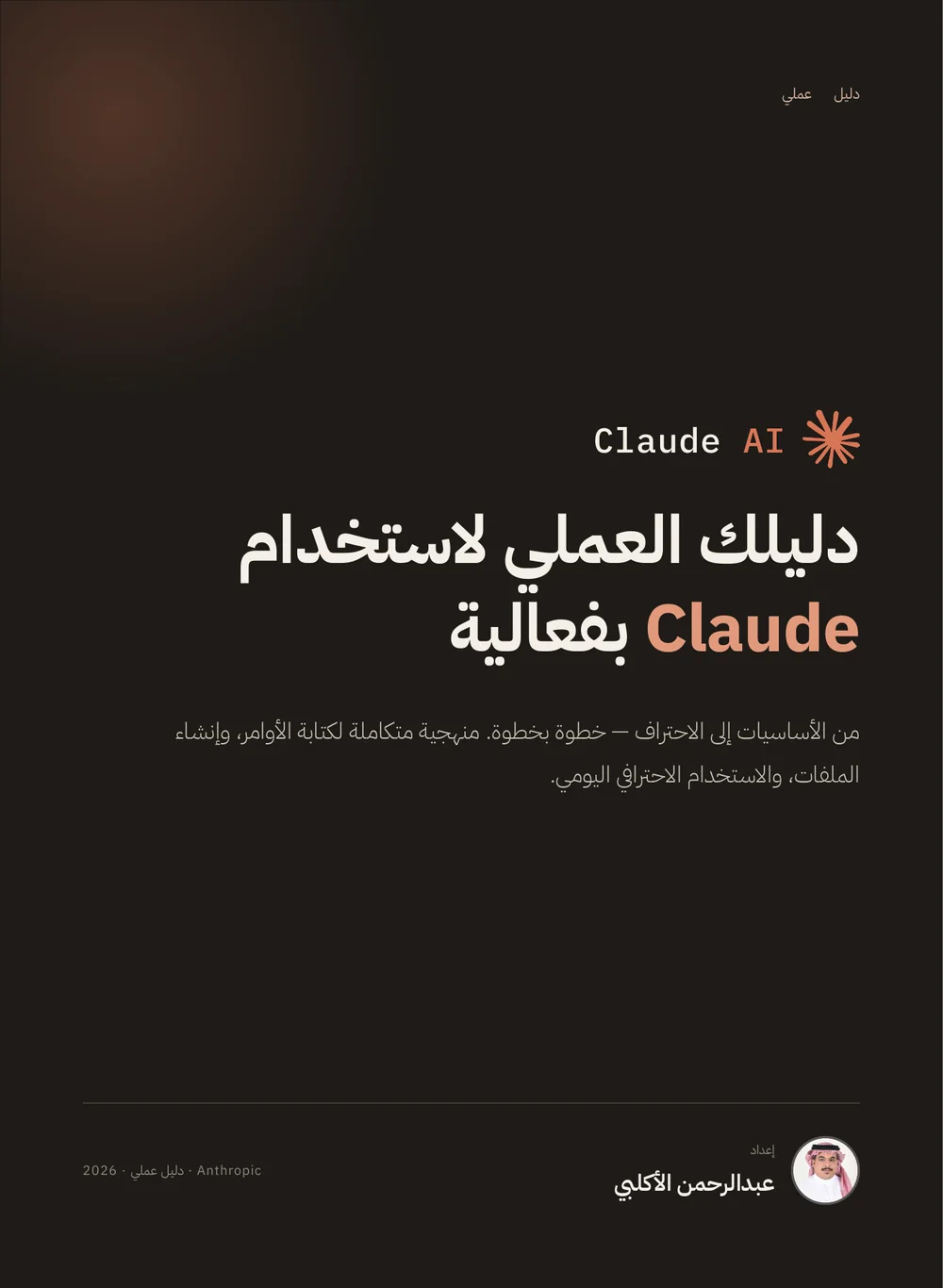
A practical guide to using Claude with more structure and clarity: writing better instructions, providing useful context, working with files and different task types, and reviewing outputs before relying on them. The goal is not to collect AI tricks, but to improve how the tool fits into everyday work.
01
Why This Guide?
Getting an answer from Claude is easy. Getting an output that actually fits the task requires clearer goals, context, instructions, and review.
When the request is vague, the model fills the gaps with general assumptions. This guide therefore focuses on the interaction itself: what context to provide, how to break down a complex task, how to define the audience and expected format, and how to review the result instead of trusting it simply because it looks polished.
02
Who Is This Guide For?
Suitable for:
- Readers who use AI in their daily work and want to use it in a more structured way.
- Professionals who work with text, files, information, and complex tasks and use Claude to support that work.
- Readers who want to move from general use of the tool to a clearer and more repeatable way of working.
- Readers who already use Claude but still rely on broad conversations and repeated trial and error to reach the result they need.
This guide is not intended to turn you into an AI expert or help you keep up with every new feature. The focus is on practical principles that can be applied in real work.
03
What You'll Find Inside
The guide covers:
- What Claude is and how it works at a practical level.
- Writing clearer and more effective prompts.
- Weak versus strong prompt examples and why they differ.
- Practical examples across different tasks.
- Claude's capabilities and its place within the wider AI toolset.
- Working with context, files, and detailed instructions.
- More advanced practices for consistent outputs.
- Common mistakes that reduce output quality.
- A more structured methodology for professional use.
- Reviewing outputs and keeping final judgment with the user.
04
Core Idea
Claude cannot read your mind. Better outputs begin with the context and instructions you provide—and end with your own review and judgment.
AI can reduce the time needed to get started and expand what you can produce, but it does not remove the need to verify the result.
If you use Claude regularly but still rely on trial and error, start by improving the way you work with it before looking for another prompt.
Read the Claude Guide